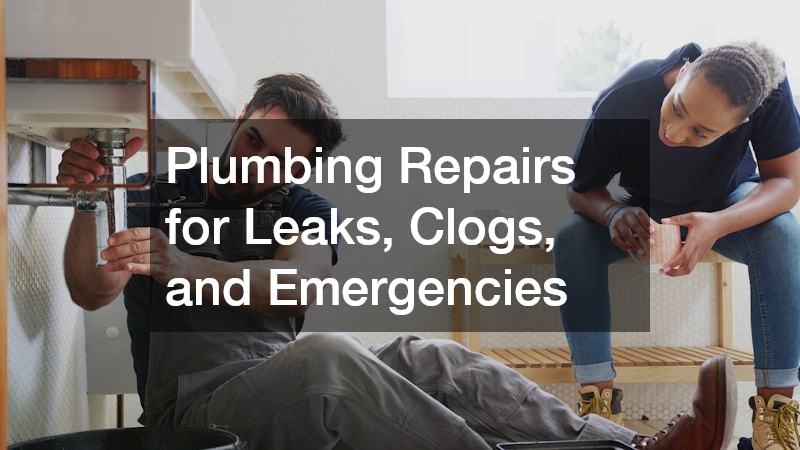
Understanding how a local plumbing service handle plumbing repairs is essential for addressing leaks, clogs, and emergencies in a time-efficient manner. Plumbing issues can quickly escalate if not dealt with properly, leading to costly repairs and damage to home infrastructure. Whether you're dealing with a minor leak, a stubborn clog, or a sudden plumbing emergency, knowing the right steps to take can save you both time and money.
Video Source
This article aims to provide a detailed guide to tackling these common plumbing problems effectively, helping you maintain your home's plumbing system. By equipping yourself with the right knowledge, you will be better prepared to address these issues as they arise.
Leaky pipes are a common plumbing issue and can be caused by various factors such as corrosion, high water pressure, or shifting foundations. To fix a leaky pipe, the first step is to identify the source of the leak. This might involve inspecting the pipe for visible cracks or listening for escaping water. Once the leak is located, you can use pipe tape or a pipe clamp as a temporary fix to minimize water damage. However, a more permanent solution would typically involve replacing the faulty pipe section, ensuring that all joints are sealed properly.
Permanent repairs may require the use of specialized tools, such as a hacksaw for cutting out the damaged pipe section and a basin wrench for installing new fittings. It's crucial to turn off the water supply before attempting any repair work to avoid water damage and injury. In cases where the repair seems beyond your skill level, calling a professional plumber is advised. Regular maintenance can also prevent leaks, such as insulating pipes in cold weather to prevent them from bursting. Understanding the materials used in your plumbing system, like copper, PVC, or galvanized pipes, can also guide proper maintenance and repairs.
Clogged drains can lead to more significant issues if not addressed quickly. Initially, you might notice water draining slower than usual, or unpleasant odors emanating from the drain. Common culprits of clogs include hair, grease, soap scum, and foreign objects. For minor clogs, you can use a plunger or a store-bought drain cleaner gel to clear the obstruction. More severe clogs may require a plumber’s snake, a flexible tool that breaks up blockages deeper within the plumbing system.
It's important to note that overreliance on chemical drain cleaners can be harmful to your pipes and the environment. These chemicals can corrode pipes over time, leading to leaks and further damage. To prevent future clogs, regularly clean drains by removing debris, and avoid disposing of grease or non-biodegradable items down the sink. You can also use natural solutions like baking soda and vinegar as a preventative measure. These measures can prolong the lifespan of your plumbing and reduce the risk of clog-related emergencies.
Plumbing emergencies need immediate attention to prevent extensive damage. One of the first steps is to turn off the water supply to mitigate water wastage and reduce potential damage. If it's safe to do so, attempt to temporarily patch the leak or use a bucket to catch excess water. Do not use water in affected areas until the issue is resolved. Assessing the situation quickly can make a significant difference in the outcome of an emergency.
Documentation is an important aspect often overlooked during emergencies. Taking photos of the damage can be helpful for insurance claims and when consulting with a plumber. Understand that emergencies may not just be about leaks; suspended clogs or flooding can pose serious challenges. A professional plumber will assess the situation using advanced tools to provide effective solutions. Immediate consultation can prevent the situation from worsening and can reduce the cost of repairs.
Proper knowledge and timely intervention can prevent minor plumbing issues from escalating into severe problems. Whether it's leaking pipes, clogged drains, or urgent plumbing mishaps, implementing the right measures promptly can save time, money, and stress. Regular maintenance, being informed about your plumbing infrastructure, and involving professionals when necessary are key strategies in ensuring long-term functionality of your plumbing system. Investing in proper plumbing practices today can safeguard your property from significant water damage tomorrow. Equip yourself with this valuable information and take charge of your home's plumbing health.