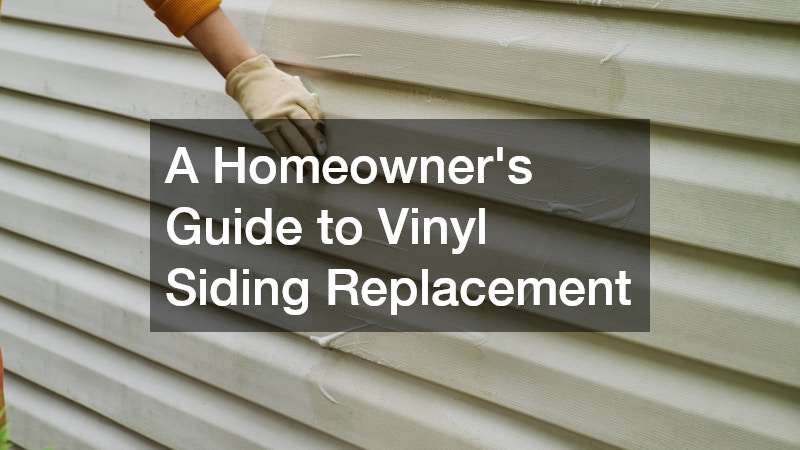
The importance of a home’s siding is often overlooked. For many homeowners, vinyl siding plays a major role in protecting their home while shaping its overall appearance. Over time, exposure to weather, temperature shifts, and general wear can take a toll on even the most durable materials. When damage or aging becomes noticeable, homeowners often start considering vinyl siding replacement as a practical solution. Understanding when to replace siding, what the process involves, and how to plan for the project can help you make informed decisions and avoid unnecessary complications.
Video Source
One of the clearest indicators that siding needs attention is visible damage. Cracks, warping, and loose panels often result from years of exposure to wind, moisture, and sunlight. While minor issues can sometimes be repaired, widespread damage usually signals that a full vinyl siding replacement is more cost-effective in the long run. Ignoring these problems can allow moisture to penetrate beneath the surface, potentially leading to mold or structural deterioration.
Fading is another common issue that homeowners notice over time. Although vinyl siding is designed to resist discoloration, prolonged UV exposure can cause it to lose its original vibrancy. When fading becomes uneven or severe, it can impact curb appeal and reduce property value. In these cases, replacement offers an opportunity to refresh the home’s exterior with updated colors and styles.
Higher energy bills may also point to siding problems. Damaged or aging siding can compromise insulation, allowing heat to escape during winter and enter during summer. If you’ve noticed a steady increase in energy costs without another clear explanation, your siding could be part of the issue. Replacing it with modern, insulated options can improve efficiency and comfort.
The replacement process begins with a thorough inspection of the existing siding and underlying structure. Contractors assess the extent of damage and check for issues such as rot, mold, or compromised sheathing. Addressing these underlying problems is essential before installing new materials, as it ensures a stable and durable foundation.
Once the assessment is complete, the old siding is carefully removed. This step requires precision to avoid damaging the structure beneath. After removal, any necessary repairs are made to the wall surface. This may include replacing sections of sheathing, installing a weather-resistant barrier, or improving insulation to enhance energy performance.
Installation of new siding follows a systematic approach. Panels are secured in a way that allows for natural expansion and contraction due to temperature changes. Proper alignment and spacing are critical to prevent warping or buckling over time. Attention to detail during this phase directly impacts the longevity and appearance of the finished product.
Selecting the right siding involves more than just choosing a color. Modern vinyl siding options vary in thickness, texture, and insulation capabilities. Thicker panels tend to be more durable and resistant to impact, while insulated versions can significantly improve energy efficiency. Evaluating these features helps homeowners choose a product that aligns with both performance needs and budget.
Color and style also play an important role in the decision-making process. Many manufacturers offer a wide range of finishes, including options that mimic the look of wood grain. Coordinating siding with roofing, trim, and landscaping can create a cohesive exterior design that enhances curb appeal. It’s worth taking the time to review samples in different lighting conditions before making a final choice.
Budgeting is another key consideration. Costs can vary based on the size of the home, material quality, and labor requirements. While it may be tempting to choose the lowest-priced option, investing in higher-quality materials often results in better durability and fewer maintenance issues over time. Obtaining detailed estimates from contractors can provide a clearer picture of the overall investment.
Replacing your home’s siding is a significant decision that affects both appearance and functionality. By recognizing the signs of wear, understanding the replacement process, and carefully selecting materials, homeowners can approach the project with confidence. Vinyl siding replacement offers an opportunity to enhance curb appeal, improve energy efficiency, and protect your home from the elements. With the right planning and professional guidance, the investment can provide long-term benefits that extend well beyond the initial upgrade.