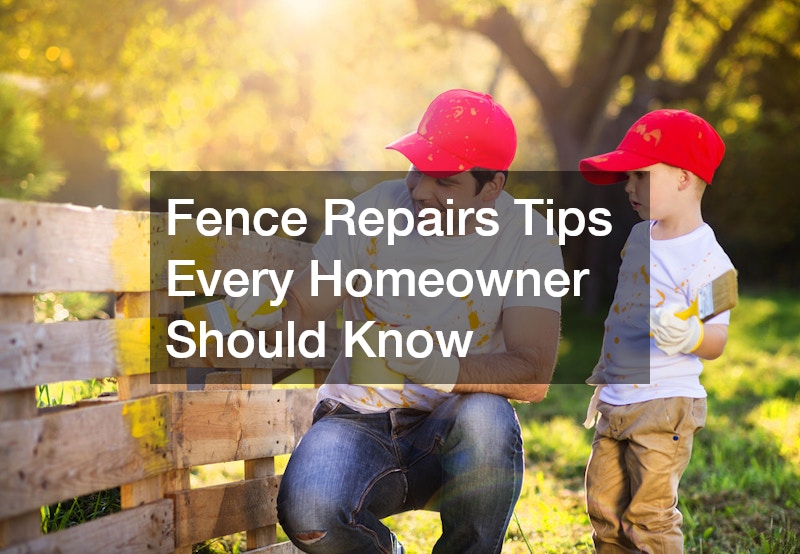
Fences play an important role in privacy, security, and curb appeal, helping define property boundaries while adding structure and value to a home. Even the best-built fences, however, naturally wear down over time due to weather exposure, shifting soil, and everyday use. What often starts as minor issues—such as a loose board or a slightly leaning post—can quickly develop into more serious structural problems if ignored. Staying ahead of damage through timely maintenance and basic repair knowledge can save homeowners significant money and extend the life of their fence. This article provides practical fence repairs every homeowner should know to keep their fence strong, stable, and long-lasting.
Understanding what causes fence deterioration is the first step in preventing costly issues. Most fence failures occur gradually due to a combination of environmental stress and structural weakening.
Video Source
Weather conditions, ground movement, and material aging all contribute to wear over time. Identifying the root cause of damage is essential before attempting fence repairs, as addressing only the visible symptoms may lead to recurring issues.
Weather is one of the biggest factors affecting fence longevity. Rain, snow, and humidity can lead to wood absorbing moisture, which often results in rot, warping, and weakening of the structure. Prolonged UV exposure from the sun can dry out materials, causing fading, cracking, and brittleness. In colder climates, freeze-thaw cycles can expand and contract soil, gradually loosening fence posts and weakening their foundations.
Recognizing early warning signs can prevent the need for full fence replacement. Many structural issues begin subtly, making regular inspection essential. Homeowners should look for both visible damage and signs of instability that may indicate deeper problems.
One of the most common signs that fence repairs are needed is leaning posts or unstable panels. This often occurs when soil around the post erodes or when the concrete footing weakens over time. Strong winds or accidental impact can also cause panels to shift out of alignment. If left untreated, this instability can spread, affecting the entire fence line and increasing repair complexity.
Material deterioration is another clear warning sign. Wooden fences are especially vulnerable to moisture, which can lead to rot, soft spots, or splintering boards. Metal fencing may develop rust, weakening joints and structural integrity. Cracks or splits in boards indicate that the material is no longer able to withstand environmental stress, signaling the need for immediate fence repairs to prevent further damage.
Effective fence repairs often begin with simple maintenance actions that prevent minor issues from escalating. Homeowners can handle many basic repairs themselves, but it is important to recognize when professional assistance may be required for structural or large-scale damage.
Replacing individual damaged boards instead of entire sections is often a cost-effective solution. Reinforcing loose posts with fresh concrete or metal brackets can restore stability. Sanding rough surfaces, applying sealant, or staining wood helps protect against future weather damage. Regularly checking nails, screws, and hinges ensures that hardware remains secure.
Preventative maintenance is key to reducing the need for frequent fence repairs. By taking proactive steps, homeowners can significantly extend the lifespan of their fence while maintaining its appearance and functionality. Regular care helps identify potential problems early, before they become costly structural issues.
Conducting inspections at least twice a year allows homeowners to catch small problems before they worsen. Tightening loose screws, nails, or brackets can help maintain structural stability. Cleaning dirt, mold, and debris buildup also prevents long-term material damage and keeps the fence in good condition. Consistency in maintenance plays a major role in minimizing future fence repairs.
Applying protective sealants or stains to wooden fences helps shield them from moisture and UV damage. For metal fencing, rust-resistant coatings can significantly reduce corrosion and extend durability. Trimming nearby plants, shrubs, and vines prevents unwanted pressure or moisture retention that could weaken the structure over time. These preventative measures reduce the likelihood of frequent fence repairs and preserve overall fence integrity.
Recognizing early signs of fence damage and responding quickly is essential for maintaining a strong and reliable structure. Small issues such as loose boards, leaning posts, or minor cracks can escalate into major problems if left unaddressed. Routine maintenance and simple repair tasks can significantly extend the lifespan of a fence while reducing long-term costs. With consistent care, timely attention, and occasional fence repairs, homeowners can keep their fences secure, functional, and visually appealing for many years to come.