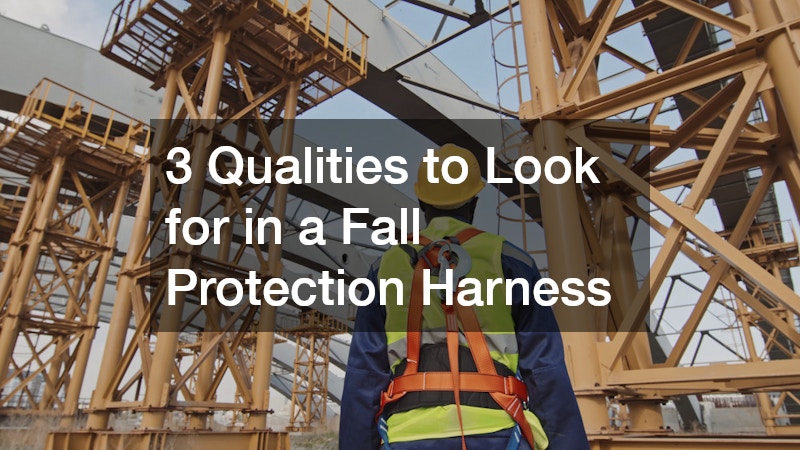
Working at height introduces one of the most significant safety risks in industrial and construction environments. Selecting the right fall arrest equipment is not simply a compliance requirement; it directly affects worker safety in the event of a slip or loss of balance. A properly designed fall protection harness serves as the primary connection point between the worker and the anchorage system, making its quality and configuration a decisive factor in preventing serious injury or fatality.
Understanding what separates a dependable system from a substandard one helps ensure both safety and efficiency on the job site. Beyond basic compliance, the right equipment supports mobility, reduces fatigue, and improves confidence when working in elevated environments where precision matters.
Video Source
One of the first qualities to evaluate is durability. A fall protection apparatus must be built to endure demanding job site conditions, including constant abrasion, UV exposure, moisture, and temperature swings. High-quality models typically use industrial-grade polyester or nylon webbing combined with reinforced stitching patterns that distribute load forces evenly during impact.
Metal components such as D-rings, buckles, and adjustment hardware should be manufactured from high-strength alloys with corrosion-resistant coatings. These elements must maintain structural integrity not only during a fall event but throughout repeated daily use over months or years. In sectors such as roofing, steel assembly, and utility maintenance, inferior materials can degrade quickly, increasing long-term risk.
Rigorous testing is also a key indicator of quality. Properly engineered fall protection gear undergoes tensile strength assessments, dynamic drop simulations, and environmental stress testing before it is approved for field use. These evaluations help confirm that performance remains consistent under real-world conditions, not just controlled laboratory environments.
Fit is another essential consideration because improper sizing can compromise safety and comfort. A poorly fitted system may shift during movement or distribute force unevenly in the event of a fall, increasing the likelihood of injury. A well-designed fall protection harness ensures that load forces are transferred across stronger parts of the body, such as the thighs, pelvis, and shoulders.
Adjustability plays a central role in achieving a secure fit. Multiple adjustment points allow workers to fine-tune the system based on body type, clothing layers, and job requirements. Features such as quick-connect buckles and sliding dorsal straps can also reduce setup time and improve consistency across teams.
Ergonomic design further enhances usability during long shifts. Padding in pressure zones helps reduce strain on the shoulders and legs, while thoughtful strap routing allows for a natural range of motion. When a system is comfortable, workers are more likely to wear it correctly and consistently, which directly improves overall safety outcomes.
Regulatory compliance is a non-negotiable factor when selecting a fall protection apparatus. Equipment should meet or exceed standards set by organizations such as OSHA and ANSI, which define minimum performance requirements for load capacity, energy absorption, and structural reliability. Certification ensures the equipment has been independently tested under controlled conditions.
System integration is equally important. A harness must function seamlessly with other components such as lanyards, self-retracting lifelines, and anchorage connectors. If these elements are not compatible, weak points can form within the system, reducing overall effectiveness during a fall event.
Clear labeling and inspection features also support compliance. Identification tags, wear indicators, and structured inspection points make it easier for safety supervisors to evaluate equipment condition before each use. This reduces the likelihood of damaged gear remaining in service.
Training remains a critical supporting factor. Even the most advanced equipment is only effective when users understand proper donning, adjustment, and inspection procedures. Standardized designs and clear manufacturer instructions help reduce user error and reinforce safe practices across teams working at elevation.
Selecting the right fall protection equipment requires careful attention to durability, fit, and regulatory compliance. A reliable system is more than protective gear; it is an integrated safety solution designed to reduce risk in high-elevation work environments. When organizations prioritize material quality, ergonomic design, and certified performance, they strengthen both individual protection and overall job site safety.
Ongoing maintenance practices further enhance long-term reliability. Regular inspection, proper cleaning, and correct storage conditions help preserve equipment integrity and extend usable lifespan. When these practices are consistently applied, they support a stronger safety culture and reduce the likelihood of preventable incidents on site.