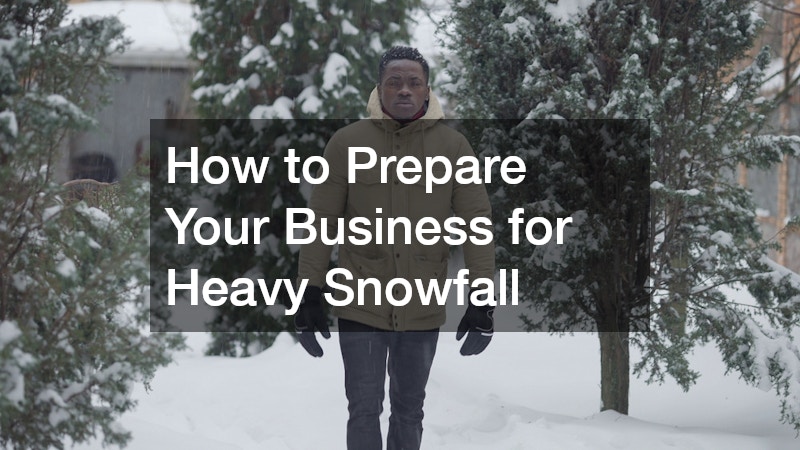
As winter approaches, businesses must take proactive steps to ensure they are prepared for heavy snowfall. Snow, ice, and freezing temperatures can disrupt operations, reduce employee safety, and create costly delays if proper planning is not in place. Preparing ahead of time helps organizations minimize downtime, protect property, and maintain essential services even during severe weather conditions. This article provides a comprehensive guide to help your business stay operational by utilising commercial snow removal services.
Ensuring employee and visitor safety during heavy snowfall begins with clear planning and communication. Businesses should develop a written winter weather safety plan that outlines procedures for delayed openings, early closures, and remote work options when conditions become hazardous.
Video Source
This plan should be shared with all employees before winter begins so expectations are clear.
Employee training also plays a critical role in reducing risk. Staff should be educated on how to move safely on icy walkways, properly use winter gear, and report unsafe conditions immediately. Simple precautions such as wearing slip-resistant footwear and using designated walk paths can significantly reduce workplace injuries.
Emergency preparedness is another essential component. Businesses should maintain updated emergency contact lists, ensure first-aid kits are fully stocked, and identify shelter areas in case employees become stranded. Regular safety drills can help reinforce proper responses during unexpected weather events. Additionally, assigning specific staff members to monitor weather alerts ensures the organization can respond quickly when conditions change.
Winter-proofing a business property is essential to prevent damage and maintain functionality throughout the snowy season. One of the first steps is conducting a thorough structural inspection before winter arrives. Roofs should be checked for weak points, leaks, or areas where snow accumulation could create excessive weight. Clearing gutters and downspouts is also important to prevent ice dams that can lead to water damage inside the building.
Heating systems should be inspected and serviced to ensure they are operating efficiently. A malfunctioning HVAC system during freezing temperatures can lead to unsafe indoor conditions and potential equipment damage. Businesses should also consider installing programmable thermostats to maintain consistent temperatures while conserving energy during off-hours.
Exterior maintenance is equally important. Walkways, parking lots, and entry points should be treated with anti-ice materials and kept clear of snow buildup. Snow removal equipment should be inspected in advance, and contracts with professional snow removal services should be arranged before the first major storm arrives. This proactive approach ensures that access points remain safe and operational.
In addition, businesses should evaluate insulation quality throughout the building. Proper insulation helps reduce heating costs and prevents pipes from freezing. Exposed plumbing should be insulated or heat-taped to avoid costly bursts during extreme cold conditions.
Maintaining operations during heavy snowfall requires flexibility and strong contingency planning. One of the most effective strategies is implementing remote work options where possible. Cloud-based systems, virtual communication tools, and secure remote access platforms allow employees to continue working even if they cannot physically reach the office.
For businesses that require on-site operations, staggered shifts or adjusted schedules can help reduce travel risks and ensure essential staffing levels are maintained. Cross-training employees is also beneficial, as it allows team members to cover multiple roles if staffing shortages occur due to weather conditions.
Supply chain and logistics planning are equally important. Businesses should communicate with vendors in advance to understand potential delays and establish backup suppliers if necessary. Maintaining a small buffer inventory of critical materials can help prevent operational interruptions during extended snow events.
Technology plays a key role in maintaining continuity. Automated systems for customer communication, order processing, and internal collaboration can reduce the need for manual intervention during disruptions. Keeping digital systems updated and backed up ensures that important data remains accessible even in emergencies.
Clear communication with customers is also essential. Businesses should update websites, social media platforms, and phone messages to inform clients of any changes in hours or service availability. Transparency helps maintain trust and reduces confusion during unpredictable weather conditions.
Preparing a business for heavy snowfall requires a combination of safety planning, property maintenance, and operational flexibility. By developing clear emergency protocols, winter-proofing facilities, and leveraging remote work strategies, businesses can significantly reduce disruptions caused by severe weather. Taking proactive steps not only protects employees and assets but also ensures continuity and resilience throughout the winter season.