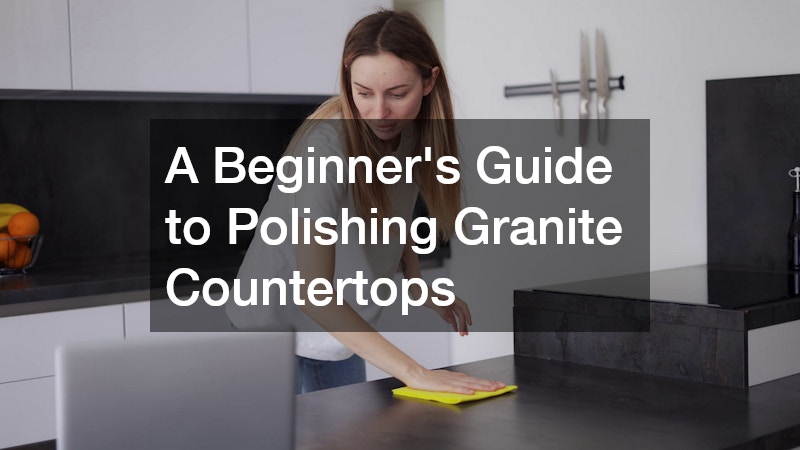
Granite counters are a popular choice in kitchens and bathrooms for their durability, natural beauty, and timeless appeal. Their unique patterns and glossy finish can elevate the look of any space, but over time, even the sturdiest granite can lose its shine. Polishing granite countertops is not only about aesthetics—it also helps maintain their protective seal, prevent stains, and extend the life of the stone. For beginners, understanding the right techniques and materials can make the process much easier and more effective.
Video Source
Before starting, it is essential to thoroughly clean the granite surface. Even small particles of dirt or debris can scratch the stone during polishing. Begin by wiping the countertops with a soft cloth or sponge and a gentle pH-neutral cleaner. Avoid harsh chemicals, vinegar, or acidic cleaners, as these can damage the stone’s natural finish. Once cleaned, allow the granite to dry completely. Any remaining moisture can interfere with the polishing process and reduce the effectiveness of the products used.
Next, examine the surface for stains, etches, or minor scratches. While some scratches may be removed during polishing, deeper marks may require professional attention. For minor imperfections, a granite polishing powder or compound can be effective. Beginners should start with small sections of the countertop to test the product and ensure it doesn’t alter the color or pattern of the granite. Preparing your work area with adequate lighting will also help you spot spots that need extra attention, ensuring an even polish across the surface.
There are two main approaches to polishing granite countertops: using a polishing compound manually or employing a power tool with a diamond polishing pad. For beginners, manual polishing offers more control and reduces the risk of accidentally over-polishing or damaging the surface. Apply a small amount of polishing powder to the area and rub in circular motions with a soft cloth or microfiber pad. This process gradually restores the shine and smoothness of the stone without causing harm.
For those who feel confident using power tools, a low-speed variable drill with a diamond polishing pad can speed up the process. These pads come in different grit levels, and starting with a finer grit is usually safest for beginners. Work in small sections, moving consistently across the surface to avoid uneven shine. Regardless of the method, always follow the manufacturer’s instructions on product usage and avoid excessive pressure, as this can leave dull spots or scratches.
Another important consideration when polishing granite is patience and consistency. Rushing the process can lead to uneven results, streaks, or missed spots, so it’s best to work methodically and take breaks if needed. Beginners should focus on mastering smooth, even motions, whether polishing by hand or with a power tool. It can also help to occasionally step back and inspect the surface from different angles to see how light reflects across the stone. If any areas appear duller than others, repeat the process gently until the shine is uniform. Proper technique combined with careful observation ensures a professional-looking finish without risking damage.
Polishing a granite counter is only part of the upkeep. Maintaining their luster requires regular care and attention. After polishing, it is important to clean the surface with a gentle stone cleaner to remove any residue from the polishing compound. Rinse thoroughly and dry with a soft cloth to prevent streaks. Applying a granite-specific sealant afterward can help protect the polished surface from spills, stains, and daily wear.
Routine maintenance is key to keeping granite countertops looking their best. Wiping down surfaces daily, immediately cleaning up spills, and using trivets or cutting boards can prevent damage. Avoid placing hot pans directly on the granite, as extreme heat can weaken the sealant over time. With regular care and periodic polishing, granite counters can maintain their glossy appearance for many years, enhancing both the functionality and beauty of your kitchen or bathroom.
Polishing granite counters may seem intimidating for beginners, but with the right preparation, method, and maintenance, it is a manageable task that can significantly improve the appearance and longevity of your stone surfaces. Taking the time to clean, polish, and protect granite not only restores its natural shine but also safeguards your investment. By understanding the proper techniques and following consistent care practices, anyone can keep their granite counter looking stunning and elegant for years to come.