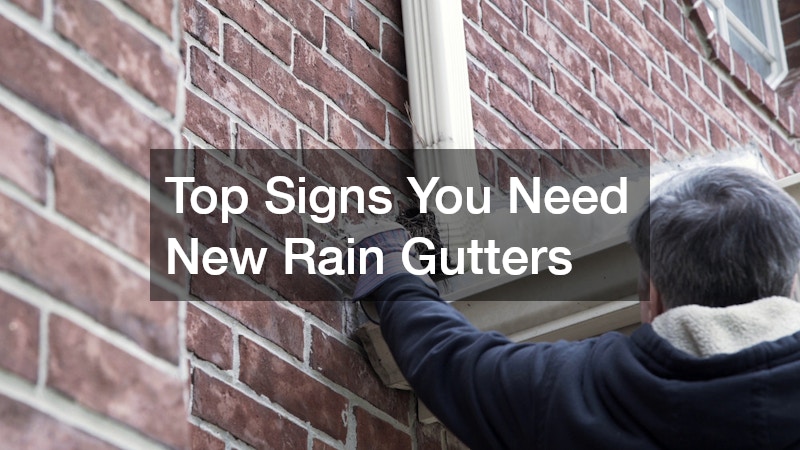
Rain gutters play an essential role in protecting your home from water damage. They direct rainwater away from your roof, siding, and foundation, preventing costly structural issues. When gutters are working properly, most homeowners rarely think about them.
Video Source
However, when they begin to fail, the problems can quickly become noticeable and expensive. Understanding the warning signs of failing rain gutters can help you address issues early and protect your property from long-term damage.
Small cracks in gutters might not seem like a major concern at first, but they can quickly worsen over time. Even minor splits allow water to escape and drip down the exterior of your home. When water consistently leaks from these cracks, it can damage siding, stain walls, and even lead to foundation problems.
Cracks are often caused by age, weather exposure, or debris buildup. During colder seasons, trapped water may freeze and expand, forcing the gutter material to split. If you begin to notice multiple cracks or areas where the material appears weakened, it may be time to consider replacing sections or installing completely new gutters.
One of the most noticeable signs of gutter problems is sagging. When gutters begin to pull away from the roofline or appear uneven, they are no longer performing their job properly. This issue often occurs when fasteners loosen or when the gutters become weighed down by debris, standing water, or snow.
Sagging gutters can cause water to overflow rather than flow toward the downspouts. Over time, this overflow may damage landscaping, erode soil around the foundation, and cause water to seep into basements or crawl spaces. If sections of your system are consistently sagging or detaching from the house, it may indicate the need for new rain gutters rather than simple repairs.
Leaves, twigs, and dirt naturally accumulate in gutter systems. Occasional cleaning usually resolves minor blockages. However, if you find yourself constantly dealing with overflowing water during storms, it may signal a deeper problem.
Older gutters sometimes lose their shape or develop improper slopes, preventing water from draining efficiently. This can cause water to pool and spill over the sides instead of flowing toward the downspouts. Persistent overflow can lead to water stains on siding, damaged landscaping, and increased moisture around the home’s foundation.
Upgrading to a newer gutter system can improve water flow and reduce the likelihood of repeated clogs. Modern systems are often designed to manage debris more effectively and handle larger volumes of rainfall.
Metal gutters are especially vulnerable to rust and corrosion over time. As protective coatings wear down, exposure to moisture can cause the material to deteriorate. Rust spots may start small but gradually spread, weakening the entire structure of the gutter.
Once corrosion begins, the metal can develop holes or brittle sections that break easily. At this stage, repairs may not provide a long-term solution. Instead, replacing the damaged sections or installing a new system may be the most effective way to maintain proper drainage and prevent water damage.
Exterior paint is designed to withstand weather conditions, but constant exposure to dripping water can cause it to peel or discolor. If you notice paint bubbling, peeling, or streaking along the side of your home, your gutter system may be leaking or overflowing.
Water stains on siding are often one of the earliest visible signs of drainage problems. When gutters fail to redirect rainwater properly, moisture runs down the walls instead. Over time, this exposure can weaken exterior materials and even lead to mold growth in certain conditions.
Your home’s foundation is particularly vulnerable to poor water drainage. When gutters are not directing rainwater far enough away from the house, puddles may form around the base of the structure.
Repeated exposure to excess moisture can cause soil erosion and foundation cracks. In severe cases, water may seep into basements, leading to costly repairs and potential structural issues. If you notice pooling water after storms, it may indicate that your rain gutters are no longer functioning effectively.
Excess moisture around your home can create the perfect environment for mold and mildew. If gutters are leaking or overflowing, water may collect in areas that remain damp for long periods. This can lead to mold growth on siding, soffits, or nearby landscaping.
Mold not only affects the appearance of your property but can also pose health concerns for residents. Addressing drainage issues quickly can help prevent these problems from worsening.
Replacing damaged or outdated gutters may seem like a large project, but it is often far less costly than repairing foundation damage, siding deterioration, or mold growth caused by poor drainage. Keeping your gutter system in good condition ensures that rainwater is directed safely away from your home, preserving its structure and appearance for years to come.