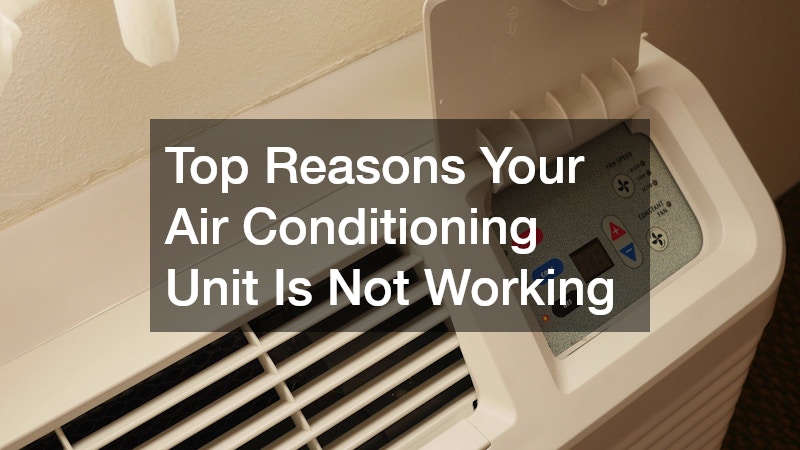
A properly functioning air conditioning unit is essential for maintaining comfort during hot months. When your air conditioner stops performing efficiently, it can be frustrating and costly, especially during heatwaves or high-usage periods. Understanding the common causes behind a malfunctioning air conditioning system can help you diagnose problems early, prevent extensive repairs, and maintain optimal cooling in your home.
Video Source
Regular inspections and basic maintenance can also extend the lifespan of your unit, improve energy efficiency, and reduce unexpected breakdowns.
Sometimes, the problem is as simple as incorrect thermostat settings. If your thermostat is set too high or accidentally switched to “heat” instead of “cool,” your air conditioner may blow warm air. Double-check the settings, ensure the temperature is lower than the current room temperature, and verify that the system is set to cooling mode. Small adjustments can often restore proper operation.
Refrigerant is the substance responsible for absorbing heat from the air. Low refrigerant levels, usually caused by leaks, prevent your air conditioner from cooling effectively. Signs of a leak include hissing sounds near the refrigerant lines or ice forming on the evaporator coils. If you suspect a refrigerant leak, contact a licensed HVAC technician immediately, as handling refrigerants requires specialized training.
Evaporator coils remove heat from indoor air, but over time, dust and dirt can accumulate, reducing efficiency. Clogged coils prevent proper cooling and may lead to the air conditioner blowing warmer air. Regular cleaning and maintenance of the coils can restore cooling performance and extend the unit’s lifespan.
An air conditioner that won’t turn on may be experiencing power-related problems. Check the circuit breaker and ensure the air conditioning unit is receiving electricity. Tripped breakers or blown fuses are common culprits and can often be resolved without professional help. For persistent electrical issues, contact a certified technician to avoid safety risks.
Capacitors help start the air conditioning unit's motor and keep it running smoothly. A failing capacitor can prevent the unit from powering on or cause it to shut off unexpectedly. Signs of a faulty capacitor include humming noises without the fan spinning. Replacing capacitors should be handled by a professional, as it involves working with high-voltage components.
A dirty or clogged air filter restricts airflow, causing the system to overheat or fail to start. Regularly replacing or cleaning the air filter can prevent these issues and improve indoor air quality. Most homeowners can replace filters themselves, making it a simple yet effective maintenance step.
Rattling, grinding, or banging noises often indicate loose or broken components within the unit. Screws, bolts, or internal parts may become dislodged over time. Addressing these issues promptly prevents further damage and ensures safe operation. A professional inspection is recommended to identify and secure any loose parts.
Outdoor units are exposed to leaves, sticks, and other debris, which can interfere with the fan and condenser. Obstructions may cause rattling or buzzing sounds. Regularly cleaning the outdoor unit and trimming surrounding foliage can prevent debris-related noise and maintain system efficiency.
Older air conditioning units with belt-driven fans may produce squealing or whirring noises if the fan belt is worn or misaligned. Replacing the belt can resolve the noise issue and improve airflow, contributing to better overall performance. Regular inspections can identify wear before it leads to complete failure.
Air conditioning units are complex systems, and a range of issues can affect performance. Warm air, failure to turn on, or unusual noises are common symptoms of underlying problems such as incorrect thermostat settings, refrigerant leaks, electrical faults, or worn-out components. By identifying these issues early and performing regular maintenance—including cleaning coils, replacing filters, and inspecting parts—you can prevent costly repairs and prolong the life of your air conditioning system.
Proactive attention to your air conditioning unit not only improves comfort but also ensures energy efficiency and reduces the likelihood of sudden breakdowns. Regular maintenance, such as cleaning filters, inspecting coils, and checking electrical components, can prevent minor issues from turning into costly repairs. Whether through simple troubleshooting or professional service, addressing these common problems promptly is key to keeping your home cool, safe, and comfortable all year round while extending the lifespan of your system.