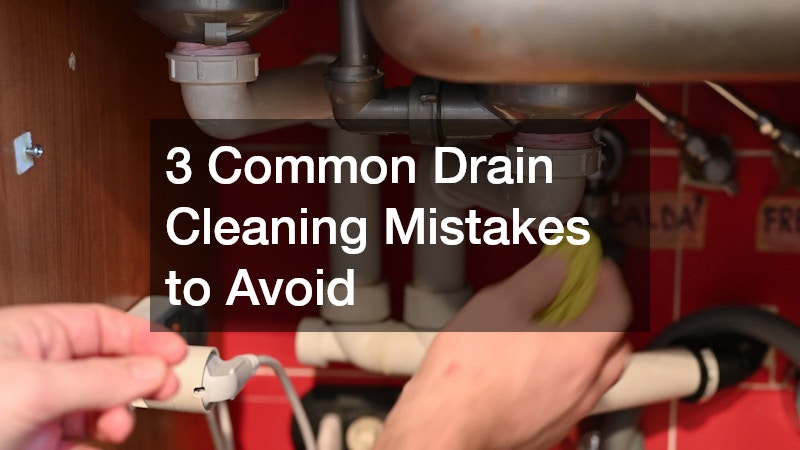
Maintaining clean and functional drains is essential for any household, as proper drainage affects not only convenience but also overall hygiene and home safety. Clogged or slow-moving drains can disrupt daily routines, create unpleasant odors, promote bacterial growth, and even lead to costly plumbing repairs. While regular maintenance is important, many homeowners unknowingly make mistakes during drain cleaning that can worsen the problem rather than solve it. Being aware of these common errors and taking proactive steps can help you preserve your plumbing system, prevent damage, and save both time and money in the long run.
One of the most frequent mistakes people make when addressing slow or clogged drains is relying too heavily on chemical drain cleaners. These products are marketed as quick and effective solutions, but their frequent use can cause significant harm.
Video Source
Many chemical cleaners contain strong acids or bases designed to dissolve organic matter. While they may temporarily clear a blockage, repeated exposure can corrode pipes, especially older metal plumbing. Over time, this corrosion weakens the pipe walls, increasing the risk of leaks or bursts. Additionally, chemical cleaners can harm the surrounding environment once they enter the sewage system.
Homeowners often think pouring these products down the drain is a harmless solution, but a better approach involves mechanical or preventive methods. Simple tools like a plunger or a drain snake can remove clogs without compromising the integrity of your pipes. For persistent blockages, it’s often safer and more effective to consult a professional plumber who can use specialized equipment to clear the obstruction without causing damage. Moderation and proper technique are key; chemical solutions should be a last resort rather than a first response.
Another common mistake is ignoring minor slowdowns in your drains. Many homeowners delay action when water drains more slowly than usual, assuming the problem will resolve on its own. However, even a slight reduction in flow can indicate an early-stage clog. Over time, small accumulations of grease, soap residue, or hair can harden and create a more severe blockage. Waiting until the drain is completely blocked often results in more invasive and expensive repairs. Addressing these slowdowns promptly can prevent frustration and help maintain a smoother, more reliable plumbing system.
Regular maintenance is essential to prevent minor clogs from becoming major issues. Simple preventive measures, such as using strainers to catch hair in bathroom sinks or avoiding pouring grease down the kitchen drain, can significantly reduce the likelihood of a full blockage. Flushing drains periodically with hot water helps to keep residue from building up. By addressing slow drains early, homeowners can save both time and money while reducing the stress and inconvenience of a sudden plumbing emergency.
A third mistake involves using the wrong tools or employing improper techniques during drain cleaning. While DIY methods can be effective, certain practices can inadvertently damage pipes or worsen a clog. For instance, inserting objects that are too large or rigid into a drain can scratch or puncture the pipe lining. Attempting to dislodge a clog with excessive force may push the blockage further down, creating an even more stubborn obstruction.
Even common household items like wire hangers, vinegar, or baking soda, while often recommended in online guides, can backfire if used incorrectly. Vinegar and baking soda reactions produce fizzing and heat, which can dislodge debris, but repeated use or improper amounts can corrode metal pipes or leave residue that contributes to future clogs. Professional plumbers have access to specialized tools, such as motorized drain snakes and hydro-jetting equipment, which safely and effectively clear drains without damaging the plumbing system. Learning proper techniques or knowing when to call an expert is crucial for long-term drain health.
Proper drain maintenance requires attention, care, and knowledge of effective methods. Over-reliance on harsh chemicals, ignoring small clogs, and using improper tools are three mistakes that can compromise both your pipes and your peace of mind. Preventive measures, timely intervention, and proper tool use can keep your plumbing system functioning smoothly while avoiding costly repairs. By understanding these common errors and taking a thoughtful approach to drain cleaning, homeowners can protect their property, improve efficiency, and enjoy worry-free plumbing for years to come.