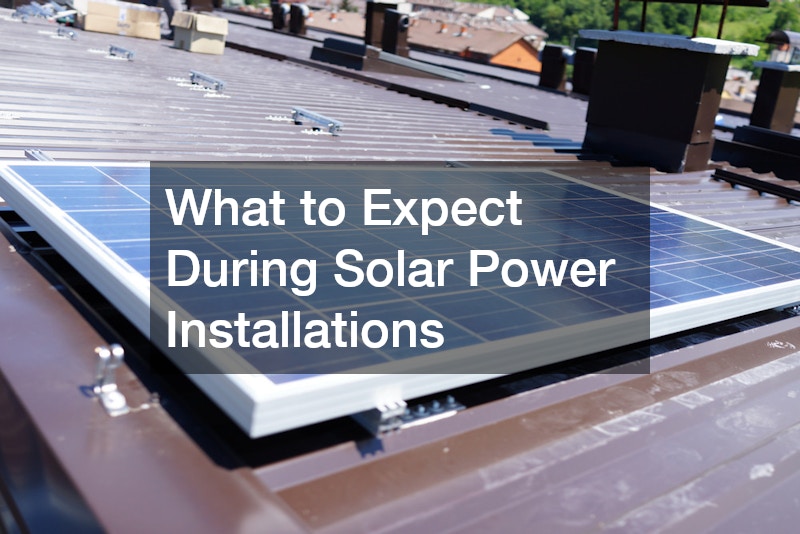
In this article, we will explore what homeowners and businesses can expect during solar power installations, addressing common concerns and questions. Understanding the entire process can significantly enhance the experience and outcome of transitioning to solar energy. With the trend toward renewable energy sources on the rise, solar power is becoming an increasingly attractive option for those looking to reduce their carbon footprint and energy costs.
Video Source
The installation process typically begins with an energy audit, where experts evaluate the energy needs of the home or business and determine the suitability of solar power. After this initial assessment, a customized solar panel system is designed to meet the specific requirements of the property, taking into account factors such as roof space, orientation, and shading.
Once the design is finalized, the installation phase begins. This involves several critical steps, including mounting the solar panels onto the roof or ground, installing the inverter, and wiring the system to the electrical grid of the property. Professional installers often work in teams to ensure that the installation is conducted efficiently and safely, adhering to local building codes and regulations.
Finally, after the installation is complete, a series of inspections are conducted to ensure that everything is working correctly. These inspections may involve local authorities or utility companies that verify that the installation meets all necessary standards. Once everything is approved, the solar power system can be activated, allowing homeowners or businesses to begin reaping the benefits of their new energy source.
The overall duration for solar panel installation can vary significantly depending on the complexity of the project, the type of system being installed, and the weather conditions during the installation period. For instance, a straightforward residential installation may take one to three days, while a larger commercial project could span several weeks.
Many factors play a role in determining the schedule, including permitting processes and inspections. Homeowners should take into consideration that acquiring necessary permits may add additional time to the project timeline due to local regulations and zoning requirements. It is always advisable to check with the solar installation company about expected time frames.
Additionally, the availability of solar products and equipment can impact the timeline, especially if specific components need to be ordered. Solar panel installations during peak seasons may experience delays due to high demand. Therefore, proper planning and anticipation of potential delays can help ensure a smoother installation experience.
The cost of solar panel installation can vary based on factors such as the type of solar panels chosen, the size of the system, and installation complexity. On average, homeowners might expect to invest in thousands of dollars upfront, but this should be weighed against the long-term savings on utility bills.
Financing options are widely available to help mitigate the initial costs. Many companies offer solar loans, leasing options, or Power Purchase Agreements (PPAs) that allow homeowners to have solar power without the heavy upfront investment. It's essential to explore these financing opportunities as they can significantly affect the affordability of solar transitioning.
Additionally, homeowners should consider the potential return on investment from going solar, as many can expect to significantly lower their energy bills or even generate income from excess power they sell back to the grid. Subsidies, tax credits, and rebates are also available in many regions, which can lead to substantial cost savings. Investment in solar energy ultimately leads to a reduction in reliance on fossil fuels, contributing to overall environmental sustainability.
After installation, solar panels require minimal maintenance, primarily due to their durable design and lack of moving parts. Routine inspections and cleaning are recommended to ensure maximum efficiency and longevity of the system. Typically, homeowners need to check the panels for dirt, debris, and shading impacts that could affect energy production.
Cleaning the solar panels may not be necessary often, but it is advisable to perform periodic cleaning, especially after heavy storms or dusty conditions. Professional cleaning services can be hired to ensure the panels are maintained without damage. Additionally, checking the inverter and other system components occasionally can help identify any performance issues early on.
Although most solar panels come with warranties that cover maintenance for a specified period, it is vital to stay informed about the manufacturer's guidelines. By following these recommendations, property owners can ensure their solar power systems continue to operate efficiently, allowing them to maximize their investment in renewable energy.
By understanding the solar power installation process, timeline, costs, and maintenance, homeowners and businesses can make informed decisions about transitioning to solar energy. The journey to adopting solar power involves careful planning, interaction with professionals, and awareness of the long-term benefits associated with this renewable energy source. As solar technology continues to advance and costs decrease, the transition to solar power not only promises economic savings but also contributes positively to the environment.