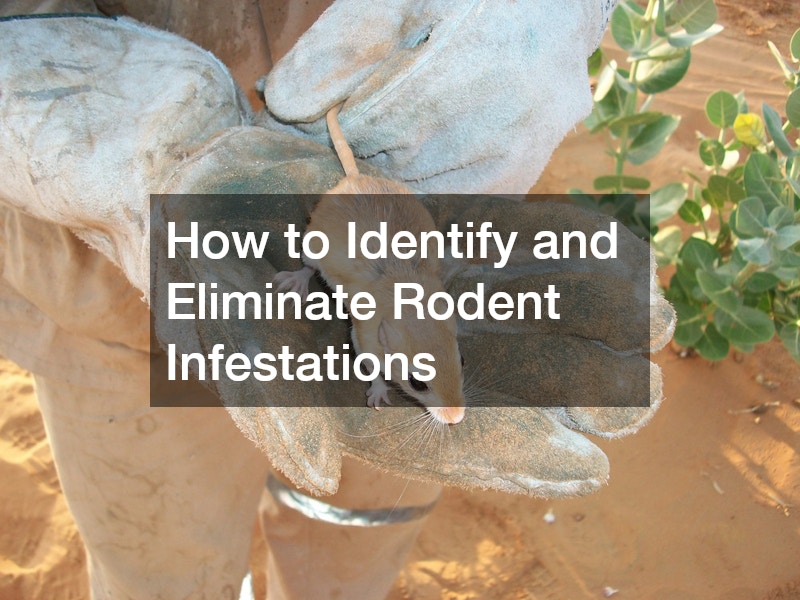
Rodent infestations can disrupt homes and cause significant damage if not addressed promptly. Understanding the signs of rodent presence and utilizing effective rodent control methods is essential for maintaining a healthy living environment. This article delves into the intricacies of identifying rodent infestations and the steps necessary to eliminate these unwelcome guests from your home.
Video Source
Recognizing the indicators of a rodent infestation is the first step towards effective rodent control. Common signs include droppings, which are often found in areas with high rodent activity such as kitchens and pantries. These droppings can vary in size and shape, typically resembling dark rice grains, and can transmit diseases like hantavirus if mishandled. Another telltale sign is the presence of gnaw marks on furniture, wires, and food packaging. Additionally, nests made of shredded paper or cloth may indicate a rodent is nearby, suggesting immediate action is necessary.
Furthermore, the presence of strange odors can signify a rodent problem. Rodents tend to have a musky scent that becomes more potent when there is a larger infestation. Additionally, you might hear scratching and scurrying noises within walls or ceilings, particularly at night when rodents are most active. These auditory cues are often a clear indication that rodents have infiltrated your home. It's crucial to address these signs swiftly to prevent further damage and potential health risks.
Physical tracks, such as greasy marks along walls and floorboards, are also common indicators of rodent activity. When rodents travel frequently through specific paths, they leave oil from their fur, which creates these smudge marks. If you notice such signs, it's essential to inspect your property for holes or gaps as small as a quarter of an inch, which rodents can exploit to enter your home. Ignoring these clues can lead to a significant increase in the rodent population, making control efforts more challenging. Identifying these early can streamline the elimination process, minimizing the time and resources needed to regain a rodent-free home.
Once you've confirmed a rodent infestation, implementing robust rodent control strategies is crucial. Start by sealing all points of entry, such as cracks in the foundation, utilizing steel wool and caulking to deter entry. Eliminating sources of food and water is equally essential; store food in airtight containers and fix leaky faucets to reduce the availability of resources that attract rodents. Setting traps is another effective way to capture and remove them from your household. Snap traps and electronic traps offer a humane solution to deal with rodents swiftly and efficiently.
For larger infestations, professional pest control services are recommended. These experts utilize advanced methods and chemicals that are more effective and safe for both humans and pets when applied correctly. Professional services also offer follow-up visits to ensure the problem is eliminated. They can also provide invaluable advice on preventive measures to reduce the likelihood of future infestations. By enlisting professional help, you ensure a comprehensive approach to solving your rodent issues.
Moreover, employing natural deterrents can complement your rodent control efforts. Peppermint oil is known to repel rodents; soaking cotton balls and placing them strategically around your property can be effective. Using ultrasonic pest repellents, which emit high-frequency sound waves, can also deter rodents. Additionally, maintaining cleanliness in storage areas and routinely removing trash reduces potential habitats for rodents to thrive. These measures, combined with traditional control methods, offer a multifaceted approach to mitigating rodent invasions.
Preventing rodent infestations requires consistent vigilance and proactive measures. Regularly inspect your property for new entry points and address them immediately to keep rodents out. Educate family members about identifying early signs of infestation to ensure prompt action is taken whenever necessary. A clean and clutter-free environment is less conducive to rodent habitation, so regular cleaning and decluttering is vital. Regularly trimming trees and shrubs, which can serve as bridges for rodents to enter your home, adds an extra layer of prevention.
Additionally, manage outdoor spaces to minimize potential rodent habitats by keeping firewood and debris piles away from the house. Using rodent-proof materials in home construction and repairs can also deter these pests from finding refuge. By closely monitoring potential food sources and ensuring refuse is securely stored, you remove primary attractants for rodents. These preventive measures collectively form a robust defense against future infestations. Implementing them consistently will reinforce your home’s barrier, safeguarding it against these persistent pests.
Technology can also aid in preventing rodent problems. Installing smart home monitoring systems that alert you to unusual rodent activity offers an innovative approach to pest management. Utilizing apps and smart traps that notify you of rodent capture can streamline your response, ensuring timely intervention. Such technologies, combined with traditional preventive measures, harness the best of both worlds to maintain a rodent-free environment. By staying informed and utilizing a blend of strategies, you fortify your home against the threat of rodents.