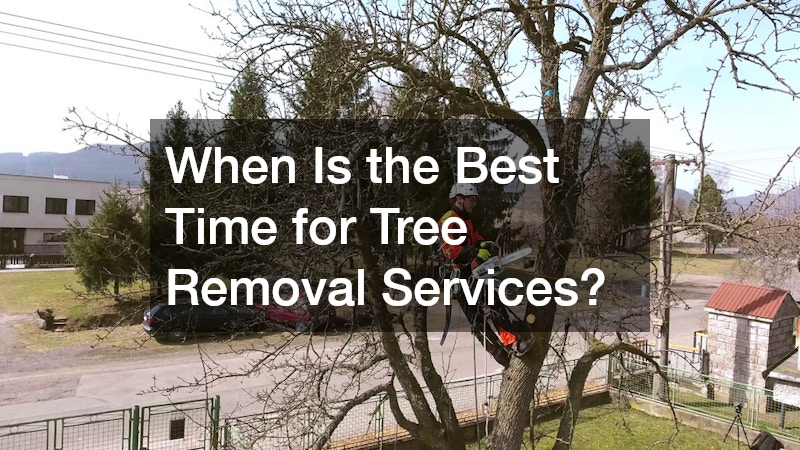
When it comes to maintaining the safety and aesthetics of your property, tree removal services play a crucial role. Deciding the right timing for tree removal can have significant implications on the cost and outcome of the process. This article explores the best periods to schedule tree removal, balancing various factors to ensure the most efficient and effective service.
Video Source
Trees go through a life cycle that significantly affects the ease and cost of removal. During certain periods of a tree's growth, removal may be simpler and less hazardous. For instance, in winter, trees typically enter a dormant phase where they stop growing and their branches are less weighed down by leaves and sap. This dormancy reduces the complexity of the removal process as arborists can see the tree's structure. Furthermore, the absence of leaves reduces the weight of the tree, making it safer and more economical to remove unfortunate or hazardous trees during this period.
Spring may seem like a convenient time for tree removal because of milder weather and increased accessibility to tree specialists. However, the burgeoning growth, including new leaves and branches, can make it more challenging. The roots and other parts of the tree will also be more active as the tree sends nutrients from the ground into its branches. This new growth increases the biomass that has to be managed during the removal, adding complexity and cost to the process. Additionally, the ecological activity may disturb local wildlife habitats during this period.
Winter is hands down the most suitable season for tree removal services. One reason for this preference is tree dormancy, which significantly reduces the internal activity of the tree and diminishes the volume of branches and leaves. This condition simplifies the removal process, involving less strain on workers as less debris has to be managed. Furthermore, frozen ground can provide better access for heavy machinery, usually used during the removal process. In many regions, freezing temperatures solidify the ground, allowing machinery to move without causing extensive damage to the landscaping.
Timing tree removal services during the less busy winter months may also offer cost benefits. Many arborists experience reduced demand during the colder months, often leading to more competitive pricing structures. Clients may benefit financially by scheduling projects during this off-peak period. Despite the chilly conditions, the risk of disturbing nesting wildlife is minimal, and the reduction in undergrowth visibility allows for a more precise and efficient felling process. Moreover, businesses that may have long waitlists during spring and summer can offer quicker response times and more detailed service.
Occasionally, urgent tree removal may be required outside the ideal season due to unforeseen circumstances such as storm damage or disease. In these cases, the timing cannot be dictated solely by optimal conditions, but rather by necessity. For example, if a tree poses immediate danger due to a compromised root system or broken branches threatening property, its removal cannot be postponed, regardless of the season. Proper assessment by trained professionals can determine the urgency and feasibility of the removal, considering safety and practicality issues. In such scenarios, employing emergency tree removal services becomes crucial to avert potential hazards.
Tree removal may also be influenced by planned property alterations, such as new construction or landscaping projects. Homeowners or developers often schedule tree removal during times that fit their broader property enhancement timeline. While this planned approach allows for more strategic scheduling, it may not coincide with optimal seasonal windows. Nonetheless, efficient project management and coordination with arborist companies can mitigate any possible seasonal disadvantages. Flexibility in scheduling and employing reputable services can minimize disruptions and ensure timely project progress.
Special care must also be taken if the trees are harboring wildlife, as their removal should coincide with periods that minimally impact beneficial ecosystems. Consulting with environmental experts can offer insights into preserving ecological balance during removal. This is especially important if removal occurs outside standard windows for wildlife inactivity. Strategically managing the removal with wildlife considerations in mind can aid in avoiding conflicts with local environmental regulations and ensure responsible land stewardship. Consequently, situational tree removal demands a multifaceted approach beyond just considering seasonal factors under variable circumstances.