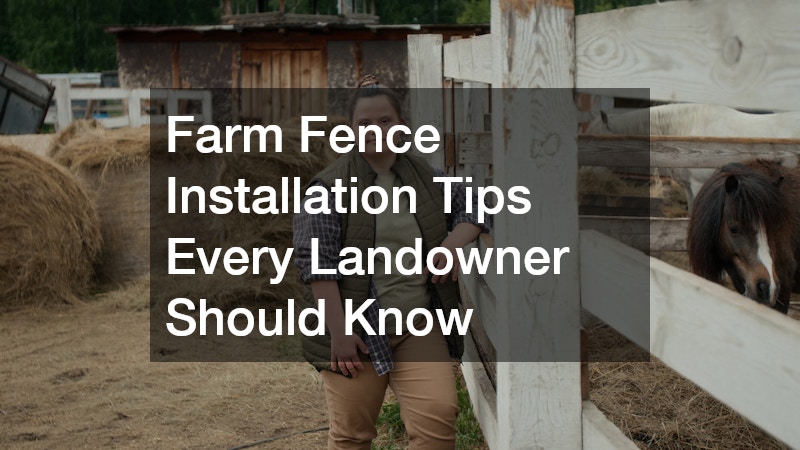
An effective farm fence plays a crucial role in safeguarding livestock, defining property boundaries, and enhancing the aesthetic appeal of the countryside landscape. This guide provides practical tips and insights for landowners undertaking a farm fence installation project.
When selecting the right farm fence, it's essential to understand the various materials available and their unique benefits. Wood, metal, and vinyl are some of the most common fencing materials, each offering distinct advantages and drawbacks.
Video Source
Wood fences, for example, provide a natural and rustic look but require regular maintenance to prevent rot and insect damage. Metal fences, such as steel or aluminum, offer durability and require less upkeep, making them an excellent choice for long-term installations.
Vinyl fencing is another option, known for its low maintenance and weather-resistant properties, making it ideal for various farm settings. The choice of material should align with the specific needs and conditions of your farm environment.
Evaluating the specific needs of your farm is a crucial step in the fence installation process. Factors such as livestock type, landscape, climate, and budget will heavily influence your choice of fencing material and design.
For instance, farms that are home to large animals like cattle will require sturdier, more secure fencing options compared to those housing smaller livestock like chickens. Additionally, the topography of your land can dictate the style and structure of the fence, especially in areas with uneven terrain.
Budgetary considerations will also play a significant role in how you approach your fencing project. It's vital to find a balance between cost-effective solutions and the quality needed to ensure long-lasting durability and effectiveness.
To successfully install a farm fence, having the right tools on hand is vital. Essential tools include a post driver for setting fence posts into the ground, wire cutters for trimming and adjusting fencing material, and a measuring tape to ensure accurate distances between posts.
These basic tools can help streamline the installation process, ensuring that your fence is both functional and aesthetically pleasing. It's also helpful to have a level on hand to maintain straight and even fencing lines, particularly on uneven terrain.
Properly preparing with these essential tools can save time and effort, reducing the likelihood of needing to redo sections of the fence because of misalignment or incorrect spacing. Additionally, manual augers can be useful for creating precise post holes, especially in smaller installations.
Larger farm fencing projects may benefit from the use of advanced equipment to expedite the installation process. Machinery such as powered augers, skid steers, and tractors can dramatically reduce the labor and time required for extensive installations.
For example, a powered auger can quickly and efficiently drill post holes in even the most challenging soil conditions, ensuring a sturdy fence foundation. Skid steers equipped with post driver attachments can further simplify the task, allowing for greater precision and speed.
Tractors with specialized fencing attachments are also invaluable for transporting materials across vast farm terrains. While these machines represent a significant investment, their ability to enhance efficiency and effectiveness may justify the cost, particularly on large farms.
Regular maintenance is crucial to extending the lifespan of your farm fence and ensuring its continued effectiveness. Conducting routine inspections helps identify potential issues early, such as loose posts, damaged wires, or signs of wear and tear.
Regular cleaning is also vital, as accumulated dirt and debris can promote rot in wooden fences or lead to corrosion in metal ones. Scheduled upkeep prolongs the integrity of the fencing materials and keeps your fence looking aesthetically pleasing.
In addition to inspections and cleaning, applying protective coatings or treatments can ward off damage from harsh weather conditions. Proactive maintenance reduces the frequency of repairs and supports the longevity of your investment.
Despite preventative care, fences may still suffer damage from weather, livestock, or accidents. Prompt repairs are essential to maintain the integrity and functionality of your farm fence.
For minor damages such as loose wires or small holes, simple tools like pliers or wire cutters can make quick fixes. Replacing broken or decayed sections of the fence is necessary to maintain strength and appearance, particularly for wooden fences.
In cases of significant damage, it may be more cost-effective to replace entire sections rather than attempt piecemeal repairs. Employing sound repair techniques ensures safety and reduces the chance of recurring issues.
Installing a farm fence requires careful consideration of materials, equipment, and maintenance strategies. By aligning your approach with the specific needs of your farm, you can achieve a durable and efficient fencing solution.
With the proper planning and execution, your fence can provide essential protection for your livestock, define your property, and contribute to the overall aesthetic of your farm landscape.
Whether you're embarking on a small-scale project or a large installation, these tips will guide you in creating a reliable fence that meets your needs.