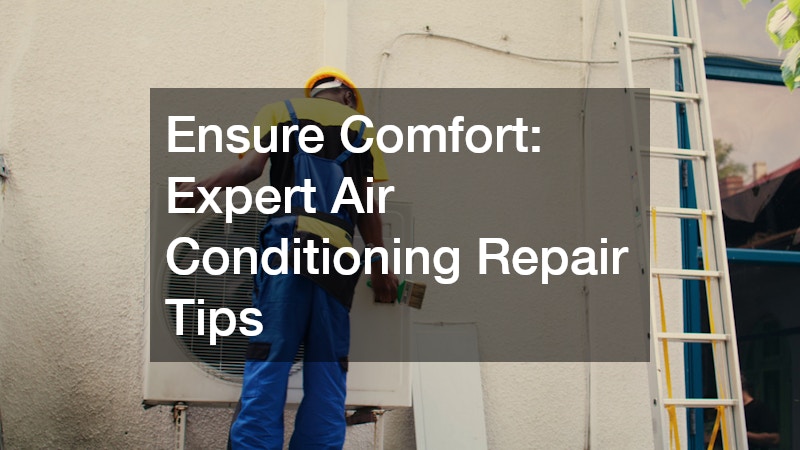
With the ever-increasing reliance on air conditioning systems for comfort, understanding the intricacies of their maintenance and repair has never been more critical. Ensuring that your air conditioning unit runs efficiently not only improves your home's comfort level but also extends the life of the system, saves energy, and reduces bills. This article explores expert tips on air conditioning repair, offering a comprehensive guide to maintaining a well-functioning system while keeping costs low.
Air conditioning systems are complex machines that require an understanding of their basic components for effective maintenance and repair. The primary components include the evaporator coil, condenser coil, compressor, and refrigerant, all of which work in tandem to cool and dehumidify indoor air.
Video Source
Understanding the function of these components can help in diagnosing potential issues that may arise. Regular maintenance, such as cleaning the coils and ensuring the refrigerant levels are adequate, is crucial to prevent breakdowns. Experts stress the importance of an informed approach when it comes to air conditioning repair, as this knowledge can swiftly address minor issues before they escalate into major problems.
An air conditioning system functions by removing heat and moisture from the indoor air and expelling it outside, which involves the coordinated work of its core components. The evaporator coil absorbs heat from the indoor air, while the refrigerant circulates and transfers this heat to the condenser coil outside. Through the compressor, pressure changes enable the refrigerant to dissipate the absorbed heat, cooling the air circulated back indoors. Understanding this basic principle can assist in identifying whether any malfunction is related to airflow, refrigerant levels, or component failure. Regular, informed maintenance can preemptively tackle efficiency issues, thereby reducing the need for frequent professional repairs.
Routine maintenance is key to prolonging the efficiency and lifespan of your air conditioning system. Changing air filters regularly is one of the simplest yet most effective maintenance tasks, ensuring unrestricted airflow and optimum cooling performance. Filters should be checked monthly and replaced as needed, typically every 1-3 months, depending on usage and the presence of pets or allergies. Moreover, having a professional inspect your unit annually can help identify and rectify issues early on, contributing to a more durable and reliable system. This proactive approach in maintaining air conditioning systems plays a vital role in avoiding unexpected breakdowns and ensuring comfortable indoor climates year-round.
Cleaning the air conditioning unit, especially the condenser coils, is another critical maintenance task that provides substantial benefits. Dirt and debris that accumulate on coils reduce the system's ability to cool the air, leading to increased energy consumption and wear and tear. Experts recommend turning off the power and carefully cleaning the coils with a garden hose or a mild detergent solution to restore optimal performance. Additionally, clearing the area around the unit of any obstructions ensures adequate airflow, preventing strain on the system. Implementing these basic cleaning practices greatly enhances the longevity and efficiency of your air conditioning system.
One of the most common air conditioning issues is inadequate cooling, which often hints at underlying problems like dirty filters, blocked coils, or refrigerant leaks. When an air conditioner fails to cool adequately, the first step is to check and replace or clean the air filters, an easy fix that often resolves the issue. If the problem persists, inspecting the condenser coils for dirt and obstructions or checking for refrigerant leaks might be necessary. Although minor troubleshooting can be done by homeowners, persistent or complex problems should be handled by professionals to avoid exacerbating the issue. Identifying and solving these problems promptly ensures consistent and reliable air conditioning performance.
Water leaks around the air conditioning unit are another telltale sign of problems, usually caused by a clogged condensate drain line. The accumulation of algae or debris in the drain line restricts water flow, leading to leaks or water damage around the unit. Regular cleaning of the drain line can prevent such issues, using a wet/dry vacuum to remove blockages effectively. If leaks persist despite homeowner interventions, professional assistance may be necessary to address more severe obstructions or potential pipe damage. By promptly addressing these common issues, homeowners can avoid exacerbating problems and ensure their air conditioning system remains in prime operating condition.