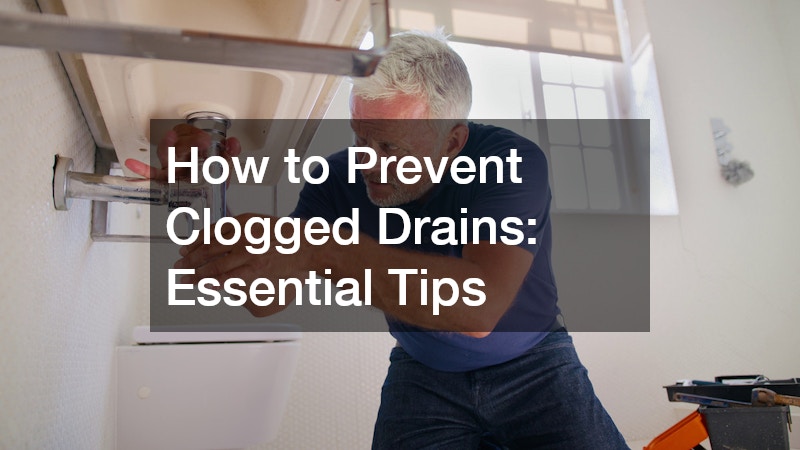
Clogged drains can be a pesky problem that disrupts the flow of everyday life. Whether it's in the kitchen, bathroom, or laundry room, a backed-up drain can cause significant inconvenience and even lead to costly repairs. Understanding the essential tips for preventing clogged drains can save you both time and money.
Video Source
This comprehensive guide aims to provide practical solutions to keep your drains running smoothly and efficiently. By following these guidelines, you can be proactive in maintaining your plumbing and avoid the hassle of dealing with blockages.
Clogged drains generally result from a combination of hair, soap, grease, food particles, and other debris. In the kitchen, pouring grease and food scraps down the drain is a common mistake. Over time, these substances can solidify and cause stubborn blockages. The bathroom is another prime location for clogs, as hair and soap can accumulate in pipes, creating a tangled mess. Lastly, the improper disposal of items like wipes and sanitary products can exacerbate the issue, as these items do not break down easily.
Recognizing these common causes is the first step in preventing clogged drains. It's essential to be mindful of what goes down the drain, as prevention is far easier than attempting to clear a blockage. For instance, using a mesh screen or strainer in sinks can effectively catch debris before it enters the plumbing system. Additionally, practicing mindful disposal of personal care products can greatly reduce the likelihood of clogs in the bathroom. Simple habits like these can prevent blockages and extend the lifespan of your plumbing system.
Moreover, regular maintenance can significantly decrease the chance of clogs. This includes routinely cleaning drain stoppers and screens to remove any accumulated debris. A periodic flush of hot water can help dissolve and dislodge potential blockages caused by grease or soap scum. For more intensive care, combining baking soda and vinegar is a natural method to maintain clear drains. By scheduling these maintenance tasks regularly, homeowners can minimize the risk of experiencing inconvenient and messy clogs.
Adopting preventative habits is key to maintaining clear, unclogged drains. In the kitchen, avoid pouring oil and grease down the sink, as they can solidify within the pipes. Instead, collect grease in a container and dispose of it with solid waste. Utilize a garbage disposal appropriately, only grinding small and soft food particles. Keeping a trash bin nearby can discourage the temptation to rinse waste down the sink.
In the bathroom, using a hair catcher in the shower and cleaning it regularly can prevent hair accumulation in pipes. After each shower, remove visible hair to keep the drain clear. Furthermore, being cautious with soap usage can help reduce soap scum build-up. Opt for liquid soaps over bars, as they dissolve more effectively and leave less residue. These small adjustments in daily routines can make a big difference in preventing clogs.
Additionally, educating household members about what should and shouldn't go down the drain is crucial. Many problems arise from flushing inappropriate items, such as wipes and cotton balls. Emphasizing the importance of placing waste in bins instead of flushing can prevent significant plumbing issues. Providing clear instructions and signage near drains can serve as a constant reminder. Through collective effort, households can significantly lower the risk of blocked drains.
Having the right tools can make a big difference when tackling drain cleaning. A plunger is a must-have tool, effective for clearing minor clogs through suction and pressure. For more persistent blockages, a drain snake or auger can navigate deep into pipes to dislodge trapped debris. These tools are widely available and can be a valuable addition to your home maintenance kit. Additionally, using enzyme-based drain cleaners can naturally break down organic materials inside pipes, offering a chemical-free cleaning option.
For home maintenance enthusiasts, learning to disassemble and clean P-traps can be beneficial. The P-trap, located under sinks, often traps debris leading to clogs if not cleaned periodically. Detaching and cleaning this component is relatively simple and can resolve many stubborn blockages. However, it's crucial to conduct this task carefully to avoid damaging plumbing. Regularly clearing the P-trap can help maintain optimal water flow and reduce the chances of future clogs.
Furthermore, incorporating routine checks and maintenance tasks into your schedule ensures you stay ahead of potential problems. By investing time and effort in prevention and maintenance, you can prolong the lifespan of your plumbing. Remember, while do-it-yourself solutions can be effective, consulting a professional is advised for severe clogs or persistent issues. They possess the necessary expertise and tools to address complex plumbing problems safely and efficiently. With the right approach and resources, managing your drains can be a stress-free endeavor.