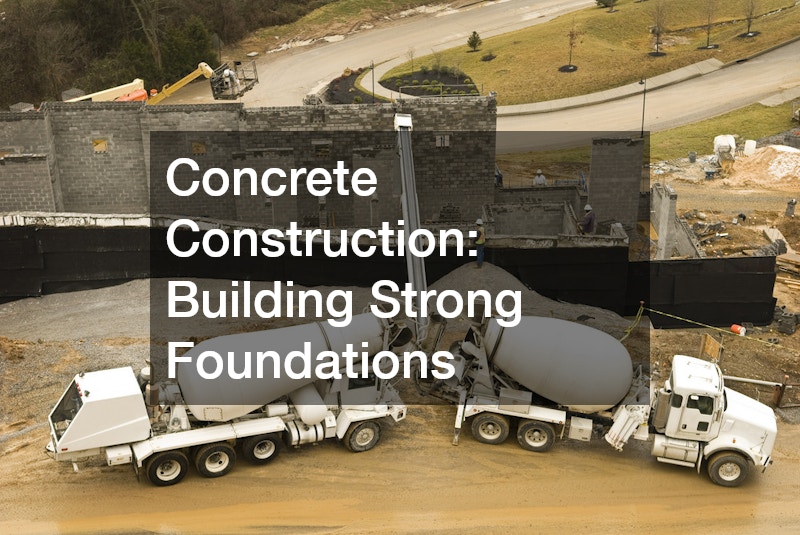
Concrete construction has played a pivotal role in shaping modern infrastructure. As one of the most versatile and durable building materials, concrete is essential for developing sturdy foundations. In this article, we delve into the significance of concrete construction and how it contributes to building strong foundations.
Video Source
Concrete is a cornerstone of modern construction, with its usage dating back thousands of years. It is celebrated for its durability, strength, and resistance to wear and tear. This material can be found in almost every aspect of construction, from skyscrapers to bridges, and sidewalks to residential homes. The versatility of concrete allows it to be molded into various shapes and sizes, making it a preferred choice for architects and engineers. A seamless blend of functionality and form, concrete construction continues to evolve with advancements in technology.
The environmental impact of concrete construction is a growing concern for the industry. Innovations are being directed toward reducing the carbon footprint associated with cement production. Methods such as using recycled aggregates and alternative binding agents are becoming more commonplace. These steps not only lessen environmental impact but also enhance the properties of concrete. A commitment to sustainable practices ensures that concrete construction remains viable in the future.
The economic advantages of using concrete as a building material further highlight its importance. Concrete structures are often more cost-effective due to their longevity and minimal maintenance requirements. Projects using concrete construction can be completed faster, saving time and resources. Furthermore, concrete's resistance to natural elements, such as fire and water, adds an additional layer of security. These benefits together make concrete an indispensable material in construction projects, large and small.
Recent advancements in concrete technology have significantly enhanced its applicability. Self-healing concrete, for example, repairs its own cracks, prolonging the lifespan of the structure. This is achieved through the incorporation of bacteria that produce limestone when exposed to water and air, sealing cracks automatically. Additionally, lightweight concrete varieties have been developed to reduce the overall mass of structures without compromising strength. Such innovations are pivotal in improving efficiency and sustainability in construction.
Another exciting advancement in the realm of concrete construction is the use of 3D printing. This technology allows for complex architectural designs to be realized with high precision. The integration of 3D printing with concrete construction reduces waste, lowers costs, and accelerates project timelines. Furthermore, additive manufacturing in the concrete industry is enabling the creation of more intricate and energy-efficient structures. This technological leap is paving the way for revolutionary changes in how buildings and infrastructures are conceived and erected.
Carbon-sequestering concrete is another breakthrough emerging in response to global climate challenges. This innovative concrete absorbs atmospheric carbon dioxide over time, effectively reducing its environmental footprint. As the world moves toward more sustainable practices, such technologies are crucial in aligning the benefits of concrete construction with ecological responsibility. The ability to neutralize emissions while maintaining structural integrity is a groundbreaking achievement for the construction industry. These developments indicate a promising future for concrete construction.
Concrete construction is evident in nearly every aspect of modern infrastructure. Its application in building foundations ensures stability and durability for a variety of structures. From residential homes to towering skyscrapers, concrete forms the backbone of architectural integrity. Bridges, roads, and tunnels are also predominantly constructed using concrete due to its load-bearing capacity and resistance to environmental wear. This widespread use underscores the multifaceted nature of concrete and its critical role in supporting society's infrastructure.
Precast concrete elements are increasingly being used for implementing quick and efficient construction solutions. These components are manufactured in controlled environments before being transported to the construction site, allowing for quality assurance. The ease of assembly and reduced labor costs make precast concrete an attractive option for builders and developers. The architectural versatility offered by precast solutions also promotes creative design approaches in large-scale constructions. This method underscores the ongoing evolution and adaptability of concrete construction.
Concrete construction stands as a bedrock of modern engineering and architecture. With a wide range of applications, from infrastructure to innovative designs, its significance cannot be overstated. The ongoing advancements and environmental considerations surrounding concrete ensure its position as an invaluable resource for the future.
.