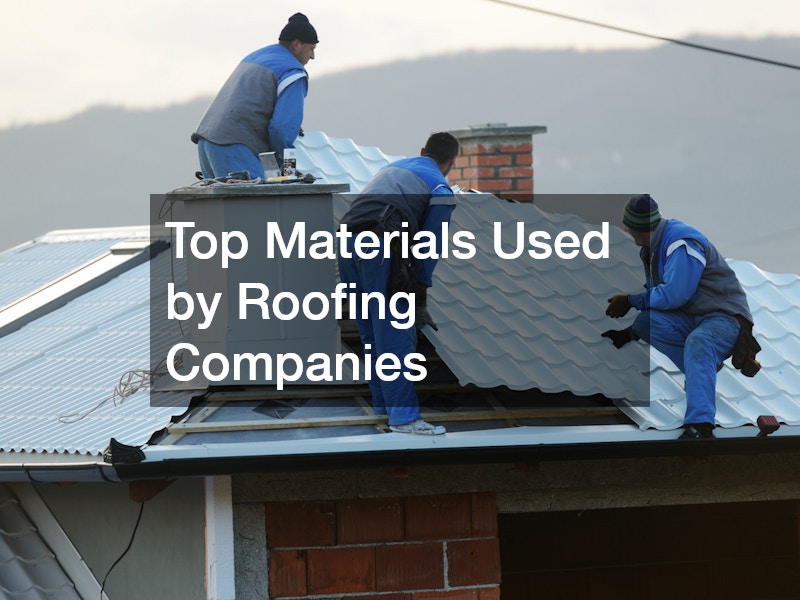
Discover the essential materials that roofing companies rely on to construct durable and long-lasting roofs. This article explores various roofing materials, their unique properties, and why they are preferred by professionals in the industry. Understanding these materials will guide homeowners in selecting a roof that balances cost, durability, and aesthetic needs.
Video Source
Asphalt shingles are widely used due to their affordability, durability, and ease of installation. They are versatile, coming in various colors and styles, hence a popular choice among homeowners. Additionally, asphalt shingles can withstand various weather conditions, making them suitable for numerous climates.
The longevity of asphalt shingles depends on their quality and installation, with some varieties offering up to 30 years of service. Their popularity is partly due to the competitive pricing compared to other roofing materials, providing value for money. Despite being susceptible to harsh conditions, regular maintenance can significantly extend their lifespan.
Moreover, asphalt shingles are relatively lightweight, reducing structural strain on homes. Their ease of installation makes them a preferred option for both new builds and roof replacements. Homeowners also appreciate asphalt shingles because they can mimic the appearance of more expensive materials, offering aesthetic flexibility.
Metal roofing is celebrated for its longevity and ability to resist extreme weather, be it heavy snow or intense sun. Available in materials such as aluminum, steel, and copper, each offers unique benefits; aluminum, for instance, is resistant to rust, whereas copper provides a distinctive look. One key advantage is that metal roofing can last up to 50 years or more with proper care.
Despite the higher initial cost, metal roofs often require less maintenance than traditional options, representing a long-term investment. They are also environmentally friendly, often made from recycled materials and offering excellent energy efficiency. A crucial aspect of metal roofing is its ability to reflect solar radiant heat, minimizing energy costs.
Metal roofing is lighter than traditional tiles, reducing the structural stress on buildings. Its interlocking panels offer superior wind resistance, making it an ideal choice in areas prone to hurricanes. Additionally, metal roofs come with different finish options, allowing homeowners to select a look that complements their architectural style.
Renowned for their aesthetic appeal and durability, clay and concrete tiles are ideal for homes in hotter climates. They provide excellent insulation and are noted for being resistant to high winds, hail, and even fire. These tiles can last for over 50 years if properly maintained, which makes them a long-term investment in many regions.
Though heavier and more expensive than other materials, their ability to withstand severe weather conditions makes them a preferred choice. Concrete tiles, in particular, are versatile and can be made to replicate other materials like wood or slate, offering flexibility in design. Regular maintenance, such as cleaning and occasional replacement of individual tiles, ensures the roof remains effective and visually appealing.
The installation of clay and concrete tiles requires reinforced roof framing to support their weight, a consideration during the architectural design phase. These tiles are often chosen for their ability to match the Mediterranean, Spanish, or Southwestern architectural styles. Additionally, they contribute to the energy efficiency of homes by reducing the reliance on artificial cooling.
Reflective roofing materials are designed to minimize heat absorption by reflecting sunlight away from the building. This not only lowers indoor temperatures but also reduces cooling costs, making them energy efficient. Light-colored roofing options or those treated with reflective coatings are increasingly popular for their role in energy conservation.
Reflective roofs are particularly beneficial in warmer climates where cooling costs represent a significant portion of energy consumption. Studies have shown that using reflective roofing products can reduce cooling energy use by as much as 15%. This plays a pivotal role in minimizing a home's carbon footprint and promoting sustainable building practices.
In addition to energy savings, reflective roofing also extends the life of the roof by mitigating the impact of thermal cycling, where materials expand and contract with temperature changes. This protective feature helps maintain the structural integrity of the roofing material for longer periods. As technology advances, more roofing solutions with reflective properties are being developed to meet both aesthetic and functional preferences.
The insulation properties of roofing materials greatly affect a home’s energy efficiency. High-quality insulation reduces heat loss in winter and heat gain in summer, maintaining comfortable indoor temperatures. Materials like clay, concrete, and some metal roofing configurations are noted for their insulative benefits.
By reducing the load on heating and cooling systems, insulated roofs contribute to energy savings and can reduce utility bills. In modern constructions, combining roofing materials with good insulative properties and additional insulation layers maximizes energy efficiency. This dual approach ensures that homes remain comfortable year-round regardless of external temperature swings.
Furthermore, utilizing effective insulation materials is a cost-effective strategy for enhancing sustainability. It lessens the dependency on non-renewable energy resources, supporting environmental conservation efforts. In many regions, state incentives for installing energy-efficient roofing solutions are available, providing further financial benefits.
Choosing the right roofing material is crucial for ensuring both the structural integrity and aesthetic appeal of a building. By understanding the features, benefits, and limitations of popular roofing options, homeowners can make informed decisions that align with their needs and environmental considerations. A well-chosen roof not only secures a home against the elements but also contributes to its energy efficiency and overall value.
.