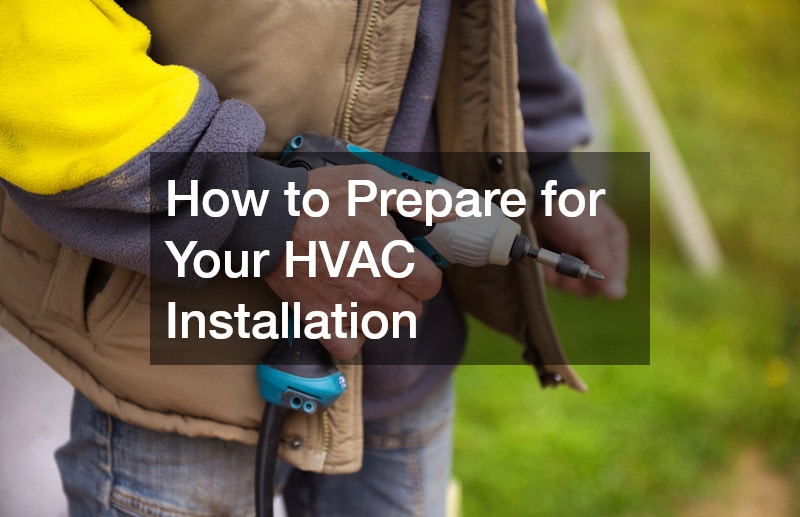
Installing a new HVAC system is a significant investment, and proper preparation can ensure a smooth and efficient process. This article will guide you through common questions and essential steps to prepare for your HVAC installation.
Before choosing an HVAC system, it is important to consider the size and layout of your home. The efficiency of your HVAC system greatly depends on whether it's appropriately sized for the space it needs to heat and cool.
Video Source
A system that is too large will cycle on and off too frequently, while one that is too small will run continuously without adequately controlling the temperature. Both scenarios lead to increased energy consumption and decreased system lifespan.
Another crucial aspect to consider is energy efficiency. Modern HVAC systems offer various efficiency ratings, commonly measured using SEER (Seasonal Energy Efficiency Ratio) for air conditioners and AFUE (Annual Fuel Utilization Efficiency) for furnaces. Higher ratings equate to greater efficiency and usually translate to lower utility bills. Selecting a high-efficiency unit may involve higher upfront costs, but the long-term savings and smaller environmental footprint can be worth the investment.
Preparing your home for HVAC installation begins with ensuring that the installation area is accessible and free from obstructions. This might involve moving furniture, clearing pathways, and securing pets or children away from the work area. Making the space as accessible as possible will help the technicians work efficiently and safely, reducing the risk of accidental damage to your property or delays in the installation process.
Organizing relevant documentation and permits is another preparatory step. Local building codes might require permits for the installation of a new HVAC system, and obtaining these permits is often necessary before the installation can proceed. Gather any paperwork related to the purchase and installation of your HVAC system for easy reference by the technicians.
On installation day, a professional HVAC team will arrive at your home equipped with the necessary tools and components to remove your old system (if applicable) and install the new one. Typically, the process can take a full day or even longer, depending on the complexity of the installation and the size of your home. Clear communication with the installation team is vital to ensure that the process meets your expectations.
The technicians will begin by disconnecting and removing any existing HVAC equipment. Understanding that this process can be noisy and slightly disruptive can help you prepare mentally for the day. Consider vacating the areas near the work zone or relocating to a quieter part of the house if you’re working from home to minimize distraction.
To ensure your HVAC system runs efficiently after installation, establish a routine maintenance schedule. Regular maintenance, such as changing air filters every one to three months, plays a significant role in maintaining airflow and efficiency. Clogged filters can place significant strain on the system, leading to increased energy use and wear over time.
In addition to routine filter changes, scheduling annual or bi-annual professional inspections is essential. HVAC technicians can identify and address potential issues before they escalate into major problems. They will also clean various components, ensuring that your system operates at its peak performance and efficiency.
A common mistake during HVAC installation is neglecting to verify the credentials of the installation team. It is critical to select a licensed and reputable contractor to ensure the quality and longevity of your new HVAC system. An experienced professional will complete a quality installation and provide guidance for future maintenance.
Another mistake is skimping on essential components, such as ductwork upgrades or necessary accessories. Cutting corners can lead to improper system function or decreased efficiency, negating the benefits of investing in a new HVAC system. Ensure that all recommended components are included in the project scope to prevent inefficient operation or costly repairs in the future.
By thoroughly preparing for your HVAC installation, you can ensure a smooth process and maximize the efficiency and lifespan of your new system. Proper planning, communication, and post-installation maintenance are key. Taking proactive steps before, during, and after the installation will help you enjoy the comfort and reliability of your HVAC system for years to come.
.