The art of asphalt work requires precision, expertise, and the right set of tools. For contractors, embarking on any asphalt project without the proper equipment can lead to inefficiencies and problematic outcomes. Having the appropriate tools not only ensures the smooth execution of projects but also enhances the overall quality of asphalt surfaces. In this article, we will explore the essential tools every asphalt contractor should have, the role of specialized and advanced technology in the industry, and the importance of safety and maintenance equipment.
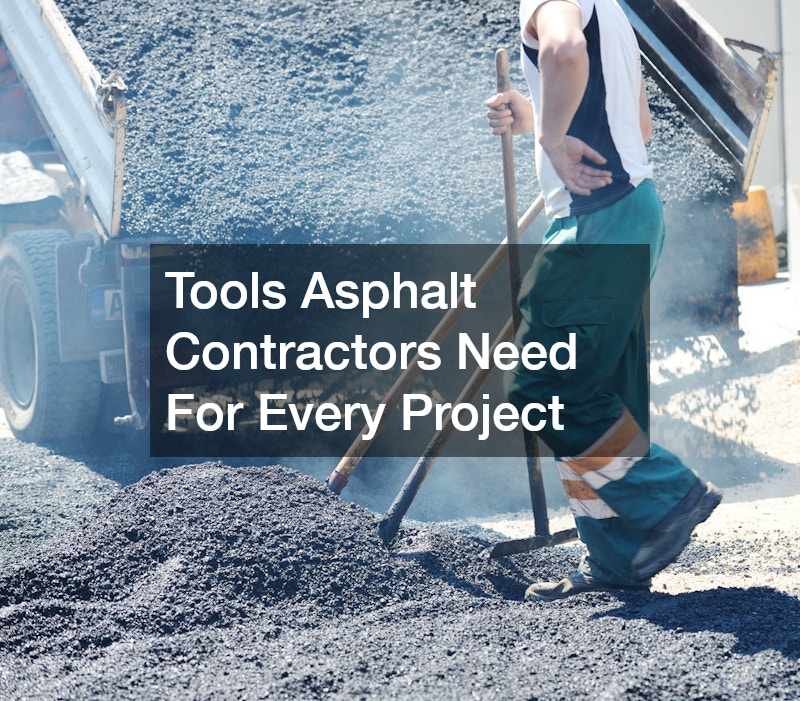
At the core of any successful asphalt project are the fundamental tools that every contractor should possess to ensure precision and efficiency. Shovels, rakes, and asphalt lutes are indispensable for spreading and leveling the asphalt before compaction.
Video Source
Rollers and compactors are equally critical in achieving the desired density and smoothness of the final surface. Additionally, asphalt saws are essential for making precise cuts and repairs in existing pavements.
Furthermore, having durable and reliable wheelbarrows ensures that materials are transported safely and efficiently on-site. These basic tools create the foundation upon which more complex equipment operates, allowing contractors to execute their projects with confidence. Asphalt contractors without these essential tools risk compromising the quality and durability of their work.
Quality is dictated by precision in asphalt works, and using the right specialized equipment is key. Pavers are pivotal in laying down asphalt uniformly, with variations designed for specific project needs. Infrared thermography tools allow contractors to detect temperature variations, ensuring the material is laid at optimal conditions. Moreover, milling machines are essential when resurfacing or removing old pavement layers involving precise material removal and surface preparation.
The choice of specialized equipment can significantly impact the quality and durability of the final asphalt surface. Contractors must select tools that align with project specifications while balancing cost and efficiency. Training and experience in specialized equipment operation enhance the contractor's ability to deliver superior results, ensuring long-term client satisfaction.
The asphalt industry has evolved with technology, bringing in tools that enhance efficiency and accuracy. Advanced paver systems now incorporate GPS and digital controls, allowing for precise management of material application and layer thickness. Automated quality control systems monitor and adjust application parameters in real time, leading to consistent, high-quality results. Additionally, drones are becoming valuable assets for surveying project sites, providing detailed topographical data, and progress monitoring.
Furthermore, recycling technology has introduced environmentally friendly methods of repurposing old asphalt, reducing waste, and conserving resources. The use of warm mix asphalt technology is gaining traction, offering reduced emissions and energy consumption during production. Firms embracing these technologies position themselves as industry leaders committed to innovation and sustainability.
Safety cannot be overlooked in any construction project, especially in asphalt work, where the environment can pose various hazards. High-visibility clothing, helmets, and protective eyewear are fundamental protective gear for asphalt contractors. Respiratory protection is also essential, as workers are often exposed to dust and fumes during project execution. Proper foot protection, such as durable boots with slip-resistant soles, ensures stability and safety on job sites.
Mandatory safety training and awareness programs are necessary to educate workers on potential risks and emergency protocols. Establishing a safety-first culture empowers workers to actively identify and address hazards, fostering a secure working environment. Safety equipment and regulations not only protect the workforce but also contribute to project efficiency by minimizing accidents and disruptions.
Maintenance is vital in prolonging the life of asphalt surfaces, and having the right maintenance tools ensures long-term performance and sustainability. Crack sealers and asphalt patching equipment enable contractors to address surface imperfections before they escalate into costly repairs. Sealcoating tools protect against weathering, enhancing the durability and appearance of asphalt pavements. Furthermore, blowers and sweepers keep surfaces clean and debris-free, preventing potential damage.
Equipping oneself with the right tools and equipment is paramount for asphalt contractors aiming to deliver top-notch results in every project. From basic tools to advanced machinery, the right equipment enhances the quality, safety, and efficiency of asphalt works. Understanding the role of technology, specialized equipment, and safety measures is vital for success in the ever-evolving asphalt industry. By prioritizing maintenance and adopting technological advancements, contractors can ensure the longevity and sustainability of their projects, securing client satisfaction and industry recognition.
.